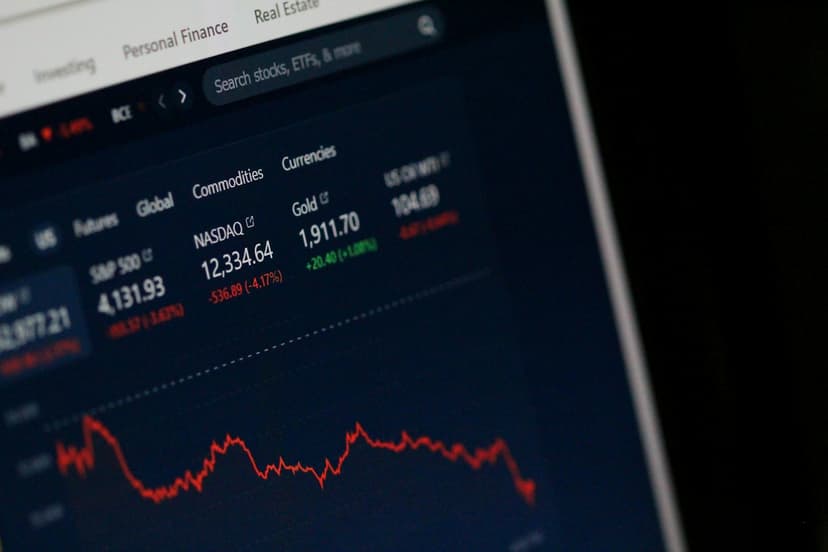
Key Takeaways
- “Stagflation” is a term that refers to a rare economic anomaly that occurs when three extremely negative occurrences happen simultaneously: stagnant economic growth, high unemployment, and high inflation.
- Owning gold during stagflation provides a safety net. During a stagflationary economy, traditional investment vehicles, such as stocks and bonds, typically suffer heavy losses and are unable to offset each other.
- Gold was among the world’s best investments during the stagflation period that occurred most recently in the 1970s. One can logically assume that gold will outperform traditional investments should stagflation strike again.
- Gold is ideal for investing for stagflation because it’s immune to rising production costs, a proven hedge against fiat devaluation, uncorrelated to traditional markets, and not reliant on central bank interest rates.
Stagflation (a portmanteau of stagnation and inflation) is a term that strikes fear into the hearts of traditional investors. This rare economic phenomenon occurs when economic growth stagnates, unemployment increases, and inflation rises.
What makes stagflation so scary? There are two key economic scenarios that investors typically prepare for: recession and inflation. While well-diversified portfolios are usually able to weather these economic storms, a stagflationary economy can devastate one’s holdings from all angles.
In this guide, we’re going to explain why stagflation should be on your radar, and why everyone should be actively investing for stagflation protection. Specifically, we strongly recommend owning gold during stagflation. Read on for expert insight.
What Is Stagflation?
As mentioned, three distinct elements must be present for stagflation to occur. Here’s what that perfect storm looks like:
1. Stagnant Economic Growth
The economy is generally lousy. Gross Domestic Product (GDP) growth is sluggish or even negative. Businesses halt expansion; innovation takes a backseat to staying afloat.
2. High Unemployment
Unsurprisingly, businesses aren’t creating new jobs. Similarly, they may no longer be able to retain existing employees.
3. High Inflation
In spite of the economy’s poor performance, the cost of goods and services continues rising. Consumers’ purchasing power collectively declines.
What Stagflation Means for Investors
Investing for stagflation is crucial because this potent, toxic cocktail of harsh economic conditions causes the cost of living to skyrocket while making it extremely difficult to generate income.
When the economy is normal, inflation and unemployment typically move opposite of each other:
- High unemployment typically means consumers are spending less, which causes prices to decline.
- When jobs are widely available, prices tend to rise because consumers are comfortable spending more.
Stagflation breaks that balance. Consumers are hit with the worst of both worlds: high prices without the ability to pay them.
Why Gold Is Ideal for Investing for Stagflation
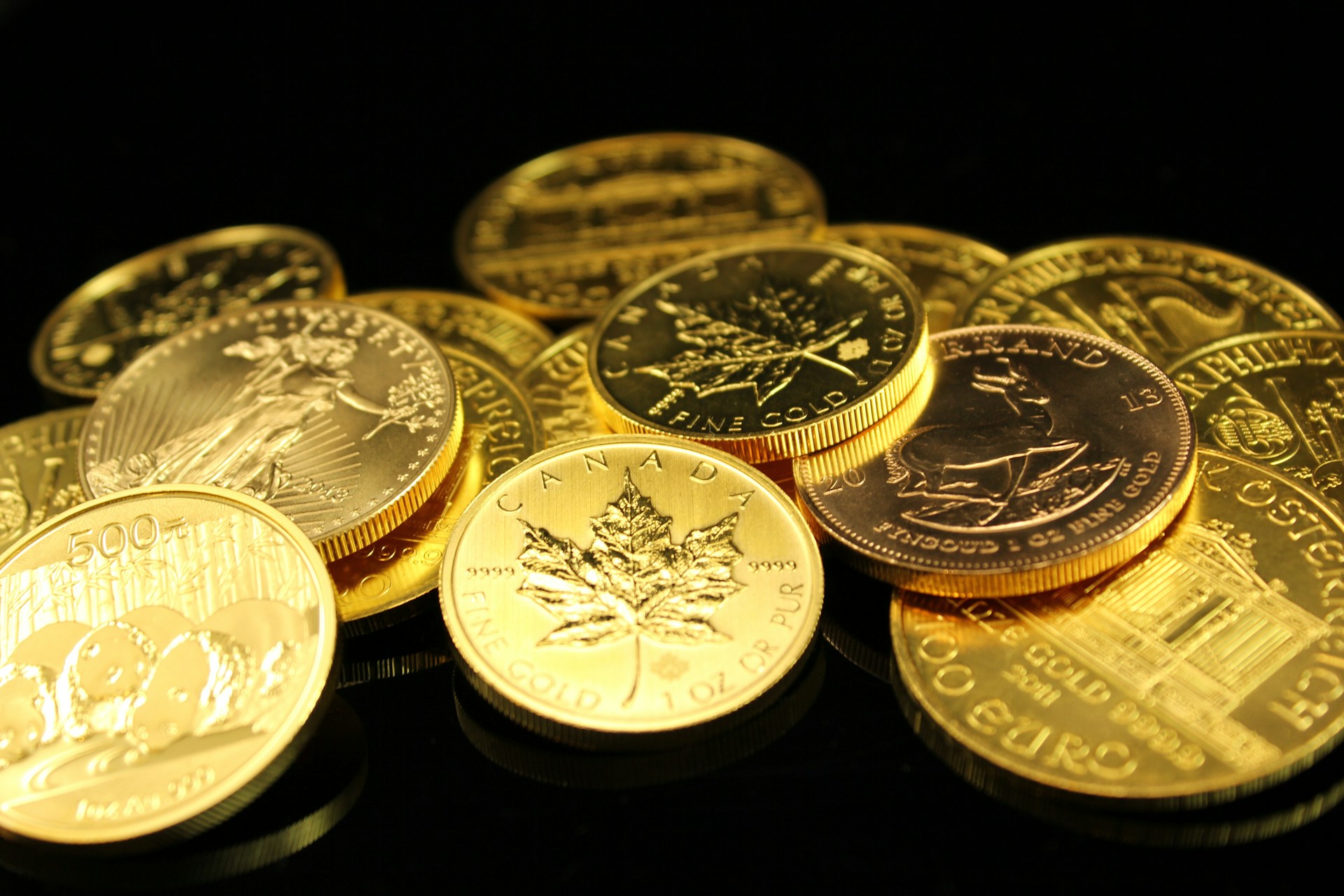
It’s a historically proven fact that gold is one of the world’s best investments during stagflation. We don’t need to guess; we can simply look to the past and analyze the performance of gold during the stagflation that occurred most recently in the 1970s.
The painful stagflation during the ‘70s and early ‘80s was caused by a combination of factors, including an oil embargo that caused skyrocketing crude prices, financial burdens caused by the Vietnam War, and the decoupling of the U.S. dollar from the gold standard, among others.
Here’s a brief look at how using gold as a strategy for investing for stagflation compared to stocks and bonds:
- The S&P 500 continuously moved down on bad days and sideways on better days. When accounting for the rampant inflation of the time, the vast majority of traditional investors lost substantial wealth, especially during the 48.2% crash from 1973 to 1974.
- Bonds also took a severe hit. Fixed payouts disintegrated in response to inflation, and market prices plummeted due to soaring interest rates. On average, long-term bondholders lost around 3% per year between 1972 and 1982.
- Gold, on the other hand, performed incredibly well. At the beginning of the decade, it was trading at just $35 per ounce. By January 1980, gold peaked at a staggering $850 per ounce.
As you can clearly see, investing for stagflation is a time-proven way to safeguard your wealth from this potentially life-ruining economic storm.
Why Gold Is the Best Investment During Stagflation
Owning gold during stagflation didn’t just protect the portfolios of many savvy investors; it made long-term holders wealthy. Although gold isn’t typically a growth asset, the precious yellow metal is famous for its ability to not only withstand harsh economic storms but thrive throughout them.
What makes gold so resilient? Let’s take a look at the key reasons why gold is the ultimate safe-haven asset.
Physical Gold Carries No Corporate Overhead
When stagflation causes the cost of business operations to soar, gold bullion remains unaffected. Gold is the best vehicle for investing for stagflation because its intrinsic value isn’t tied to corporate profits, supply chains, management teams, labor disputes, and raw materials.
When business-related investments falter, gold is able to retain its value because it’s a fully independent, autonomous entity that’s unaffected by inflation and the performance of companies, governments, or banks. Gold is intrinsically valuable on its own.
Gold’s Purchasing Power Is Trusted and Proven
Ultimately, stagflation occurs when people lose faith in fiat currency. When a government’s economy is weak and the central bank changes policies and prints money to mitigate the crises, people lose faith, and the value of cash naturally declines.
Gold is ideal for investing for stagflation because it’s a scarce, finite resource that cannot be printed out of thin air. Historically, savvy investors convert diluted fiat into gold because the public trusts gold. It’s somewhat of a chicken-and-egg situation: people trust gold because gold is trustworthy.
Gold Doesn’t Rely on Central Bank Interest Rates
Owning gold during stagflation is appealing because of its zero-yield status. When inflation soars, central banks will often boost interest rates to provide a respite from the storm. However, when inflation rises faster than interest rates, even those interest hikes won’t stop the leak.
For example, say your bank pays 5% interest and the inflation rate is set at 8%. If you keep storing your wealth in that bank, you’re losing 3% of your wealth every year. Investing for stagflation often means abandoning interest in favor of stability.
Furthermore, central banks may not be willing or able to raise interest rates aggressively during periods of economic turmoil. When interest yields are low or negative, gold’s opportunity cost vanishes. Why invest in interest-based assets if they’re still hemorrhaging your portfolio’s worth?
Don’t Wait to Protect Your Portfolio
Gold is among the best investments during stagflation, but timing is everything. While you might still come out ahead if you buy during a stagflationary period, staking your claim before the storm hits is the key to preserving and potentially even growing your wealth.
Investing for stagflation typically involves allocating a portion of your portfolio to gold. There are two different options, each with their own benefits.
- Private Ownership: Some investors prefer to store their gold at home in a secure safe or at a non-government depository. While you have immediate access to the gold, any profits gained from selling will be subject to a collectible capital gains tax up to 28%.
- Gold IRA: Opening a gold IRA lets you enjoy tax-deferred ownership as long as you don’t take withdrawals until retiring.
Reach Out for a Free Consultation

Owning gold during stagflation can be the life raft that keeps you afloat as the economy crumbles. With that said, gold isn’t only used for investing for stagflation. Investing in gold is a time-proven way to preserve and protect your wealth from all types of economic downturn.
Here at Citadel Gold, we recognize that every investor has their own opinions and outlooks on the economy, as well as unique financial goals and needs. Rather than take a one-size-fits-all approach to investing, we offer custom-tailored guidance.
Gold has proven itself to be among the best investments during stagflation, so we strongly recommend adding it to your portfolio if you think stagflation is imminent. If you’re still not sure if it’s right for you, contact us at 800-605-5597 for a free consultation with one of our experts.
We believe that investing for stagflation is a perfect example of hoping for the best but planning for the worst. Owning defensive investments like gold diversifies your portfolio, ensuring that your wealth doesn’t get drained by harsh economic turmoil. Take this important step today.